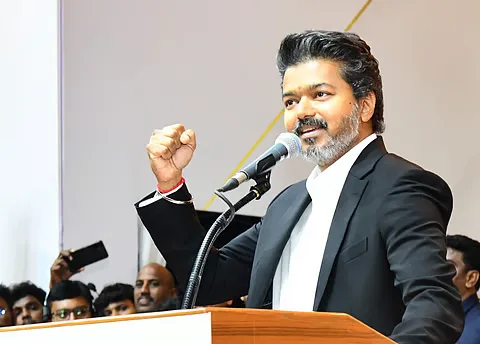
Thirty-Four Ministers, Five Parties, One Seat Each: Who Actually Runs Tamil Nadu Now
Every minister in the TVK-led government — their portfolio, the constituency they won, and the margin that put them there. Tap any card for the full result.
Tamil Nadu’s first coalition government in nearly five decades takes office with Chief Minister C. Joseph Vijay at its head — a TVK-led cabinet (TVK 30, INC 2, VCK 1, IUML 1) governing with CPI and CPI(M) support. It brings Congress into the state administration for the first time since 1967, and hands VCK and IUML their own berths. Below is the full council: every minister, their portfolio, and the seat that sent them to the Assembly. Tap any card to open the booth-by-booth result.
Fifty years of single-party cabinets — and why 2026 broke the pattern
For most of Tamil Nadu’s post-Independence history, the Council of Ministers was a single-party fortress. The DMK or AIADMK won majorities large enough to treat allies as appendages — a few berths for Congress or the Left in some eras, but never a cabinet where the lead party shared real portfolio weight with partners. The last sustained coalition experiment at scale was the 1967 anti-Congress front that brought the DMK to power and, ironically, kept the Indian National Congress out of Tamil Nadu’s state ministry for the next fifty-nine years.
That 1967 realignment is the ghost in the 2026 room. Congress was the party Tamil Nadu voters rejected when Dravidian nationalism consolidated. DMK founder C.N. Annadurai’s victory did not merely swap Chief Ministers; it rewired which parties could credibly claim to represent Tamil interests in Fort St. George. Congress remained a national force — winning Lok Sabha seats, joining Union coalitions — but state-level ministerial power belonged to Dravidian majors. When TVK invited Congress back in 2026 with two ministerial berths, it was not a routine alliance gesture. It was a structural admission that the duopoly era had ended and that governing Tamil Nadu now requires multi-party legitimacy, not just a plurality of seats.
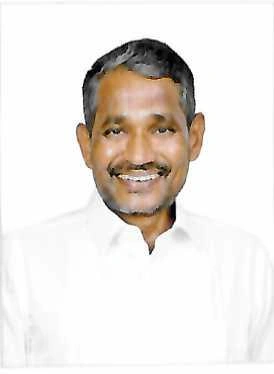
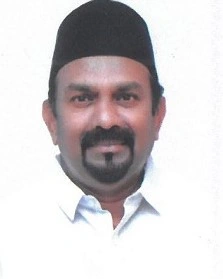
The VCK and IUML berths carry a parallel symbolism. Dalit and minority representation in Tamil Nadu cabinets has often been contested — allies were thanked with posts, but the inner ring of Finance, Home and Revenue typically stayed with the Dravidian core. Allocating Social Justice to VCK’s Vanni Arasu and Minorities Welfare to IUML’s A.M. Shahjahan gives those parties departmental ownership, not courtesy titles. CPI and CPI(M) chose outside support — backing the government on the floor without joining the council — a classic Left posture that preserves criticism space while preventing a BJP-aligned alternative from taking office.
The 2026 election did not only replace a Chief Minister. It replaced a fifty-year habit of one-party cabinets.
Coalition cabinets negotiate differently. Every Government Order becomes a potential ally complaint; every Budget line a portfolio jealousy trigger. Chief Minister Vijay’s challenge in year one is not only delivery — it is keeping thirty-four ministers and five supporting parties feeling visible without turning Fort St. George into a permanent bargaining table.
How portfolios were distributed: logic, signals and surprises
Cabinet formation is part arithmetic, part narrative. TVK entered with 30 MLAs of its own — enough to lead, not enough to ignore partners. The final count — Chief Minister plus 33 ministers — is one of Tamil Nadu’s larger councils, reflecting both coalition obligation and the TVK’s need to reward a wave of first-time MLAs who delivered unlikely wins.
Several allocation choices send clear signals:
Centralisation of Home. Vijay kept Home, Police, Public, General Administration and Municipal Administration with himself. New parties often distribute Home to a trusted deputy; Vijay’s decision mirrors the AIADMK-era pattern of a strong Chief Minister’s Office controlling law-and-order and Chennai’s municipal machinery. For a leader whose mandate rests partly on personal credibility, delegating police and city governance early would have read as weakness.
Experience on Revenue and Disaster Management. K.A. Sengottaiyan — nine-term MLA, former schoolteacher, AIADMK veteran who carried Gobichettipalayam to TVK — received Revenue and Disaster Management. This is the portfolio that owns flood preparedness, cyclone response, land revenue and district collector oversight. Putting a weathered administrator here says the government expects operational competence on the state’s most politically visible crisis file — monsoon floods — rather than using the post as a retirement berth.
A first-time Finance Minister. N. Marie Wilson (listed in official releases also as Maria Wilson) from RK Nagar took Finance, Planning and Development — among the heaviest briefs in any cabinet. Wilson is not a career politician; her elevation is a bet that a fresh face can sell a fiscally constrained Budget without the baggage of prior regimes. She inherits debt near ₹10.9 lakh crore, a two-year fiscal repair narrative, and the impossible arithmetic of funding welfare promises while keeping capital projects moving.
India’s second AI ministry. R. Kumar from Velachery became Tamil Nadu’s first Minister for Artificial Intelligence and Information Technology — the second such cabinet-rank AI portfolio in India after Kerala. Kumar’s constituency sits in south Chennai’s IT-adjacent sprawl; his brief connects to Arivagam feasibility, SPEED approvals, and the urban mission’s “AI-enabled city management” clause. Creating a dedicated AI department is symbolic and structural: symbolic because it signals new-economy ambition; structural because it prevents AI policy from being buried inside a general IT wing.
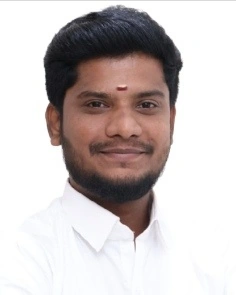
HR&CE with a temple-town mandate. S. Ramesh from Srirangam — the constituency that includes the Ranganathaswamy Temple, among the world’s largest functioning temple complexes — received Hindu Religious and Charitable Endowments (HR&CE). Ramesh, a former temple inspector, entered office with unusual domain credibility. His early temple inspections and statements about accountability set a public tone: HR&CE would be treated as a governance file, not only a devotional one.
Congress on Higher Education. P. Viswanathan holds Higher Education, giving the national party a visible berth in a sector that shapes middle-class voters — colleges, universities, research grants. School Education went to TVK’s A. Rajmohan, splitting the education stack between state-school and university tiers along party lines.
These choices form a hybrid cabinet: centralise Home with the CM, spread specialist and high-risk files to experienced hands and domain experts, and give coalition partners portfolios their voters can see in daily life.
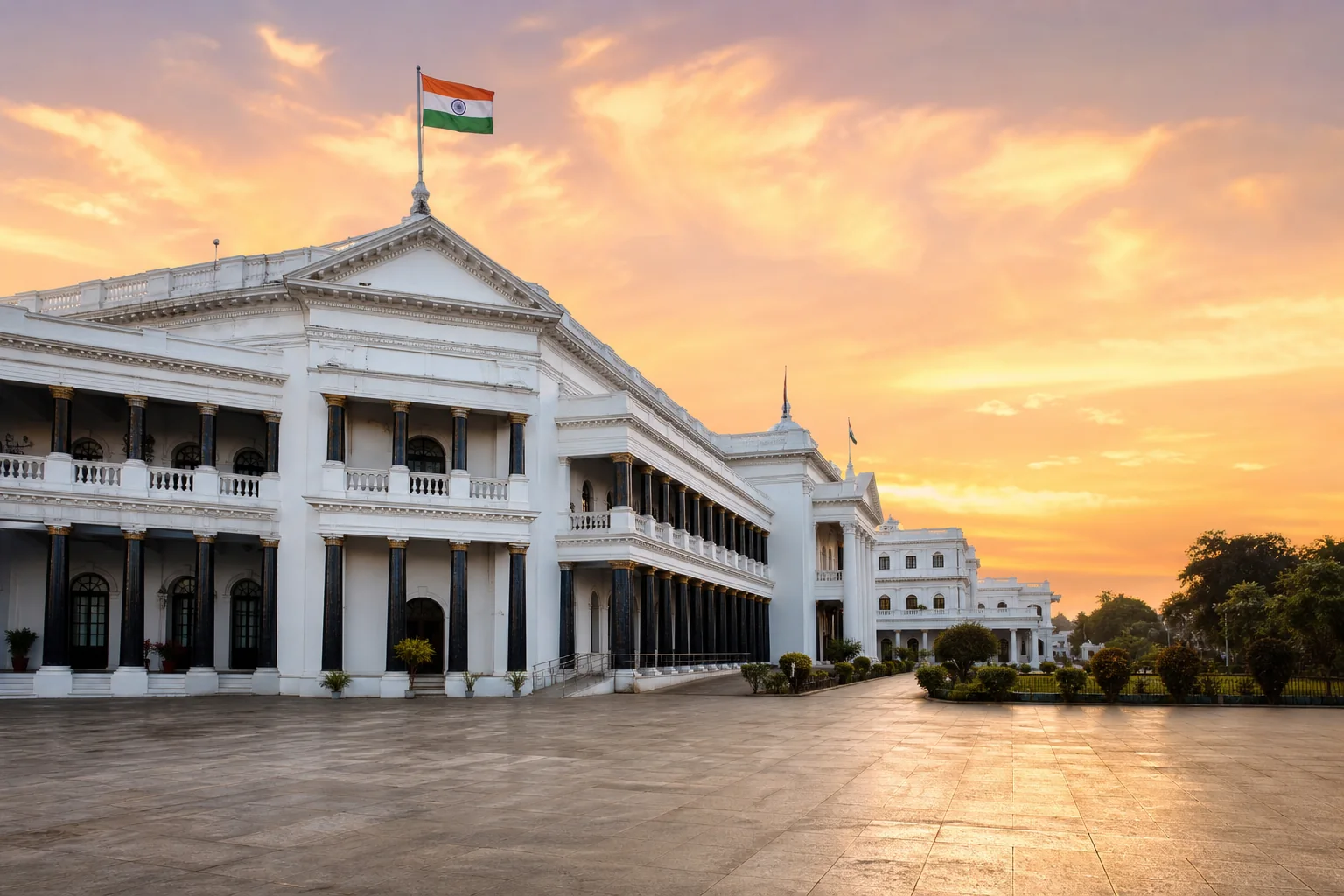
Chief Minister
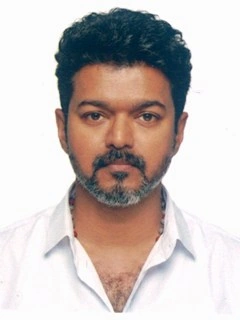
C. Joseph Vijay — TVK founder, actor-turned-politician, Chief Minister from Veppanahalli (AC 12) — holds the institutional core of Tamil Nadu governance. Home and Police control law-and-order, intelligence coordination and high-profile investigations. General Administration spans Secretariat operations, appointment powers and the bureaucratic chain that turns political decisions into files. Municipal Administration brings Chennai Corporation and other urban local bodies under the CM’s direct portfolio — a deliberate choice for a leader whose national image is urban and whose flood-season credibility will be tested in capital wards first.
Vijay’s cabinet is not a clone of Jayalalithaa’s centralisation or Stalin’s sectoral delegation. It is centralise the spine, distribute the limbs — Home and cities with the CM; Finance with Wilson; Revenue with Sengottaiyan; AI with Kumar; temples with Ramesh.
Cabinet Ministers
Rural Development, Panchayats & Irrigation
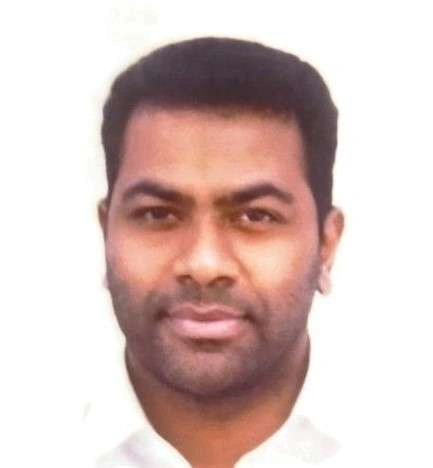
Public Works & Sports Development
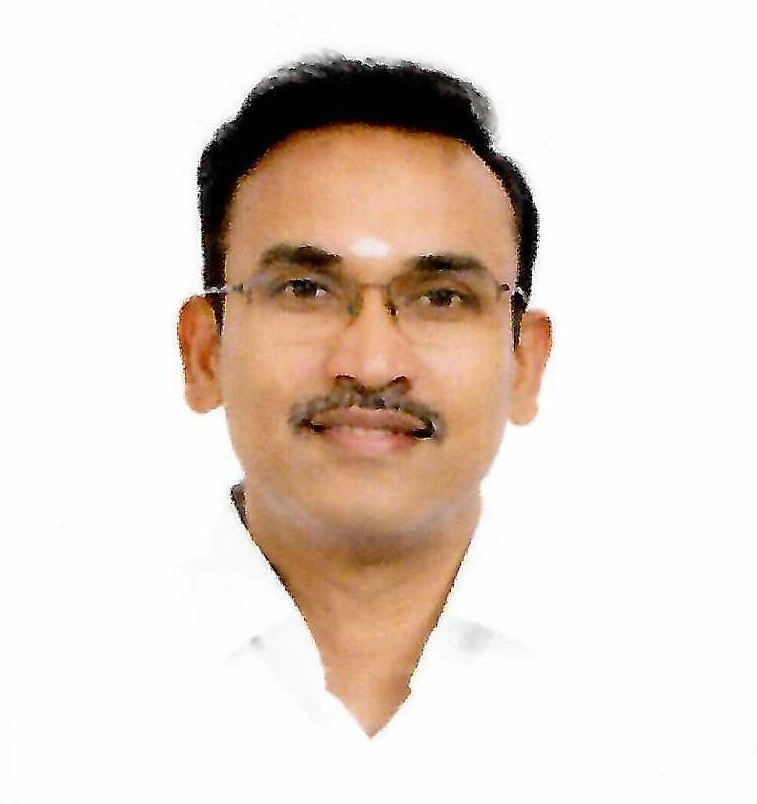
Health, Medical Education & Family Welfare
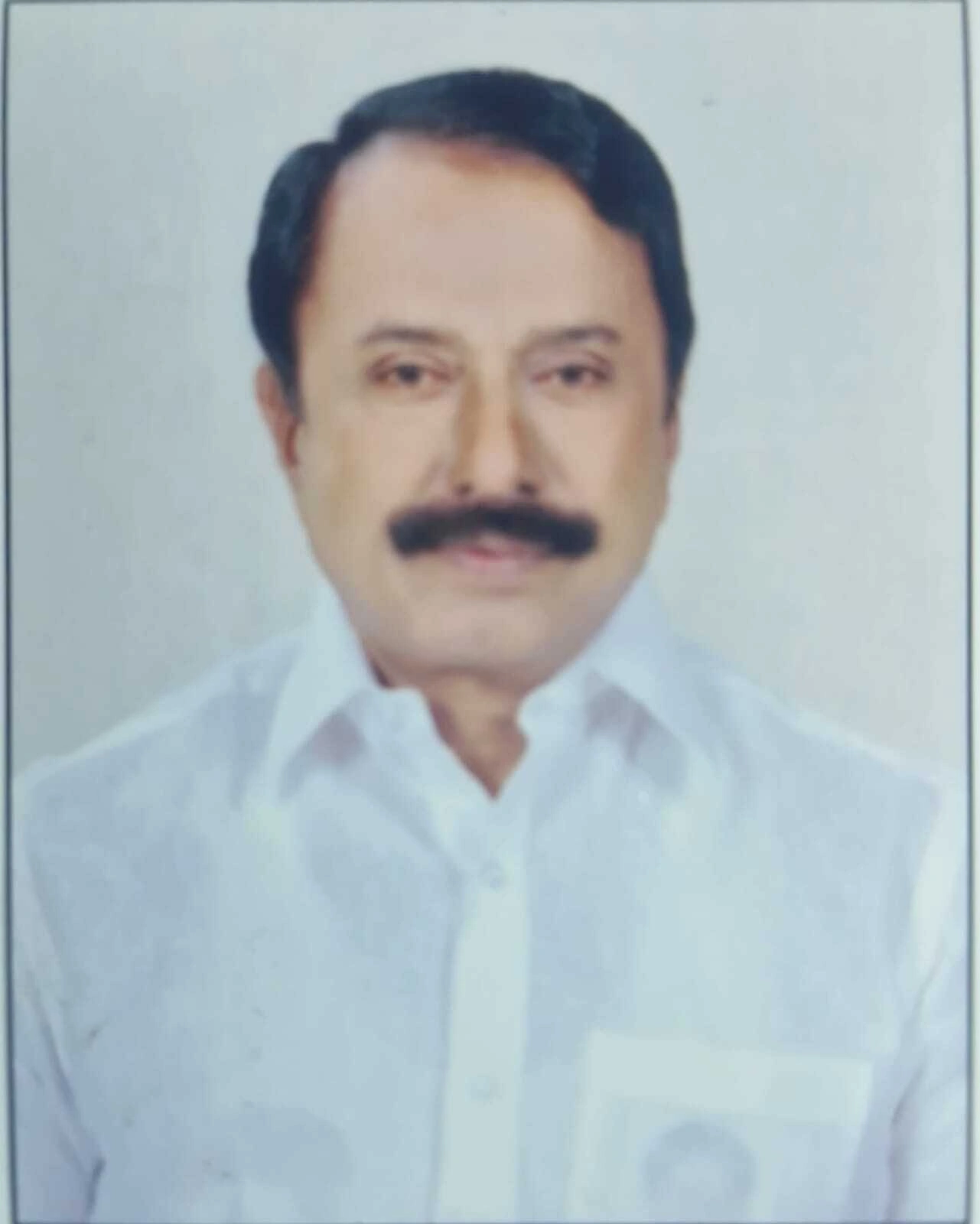
Revenue & Disaster Management
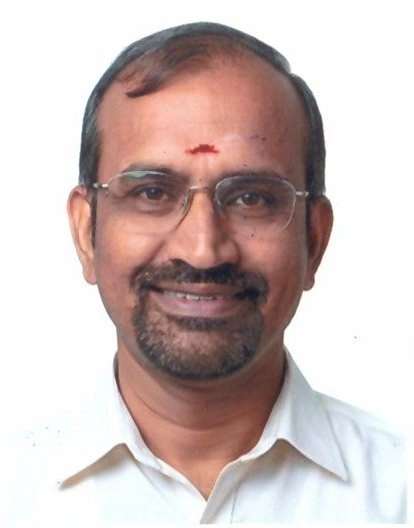
Food, Civil Supplies & Consumer Protection
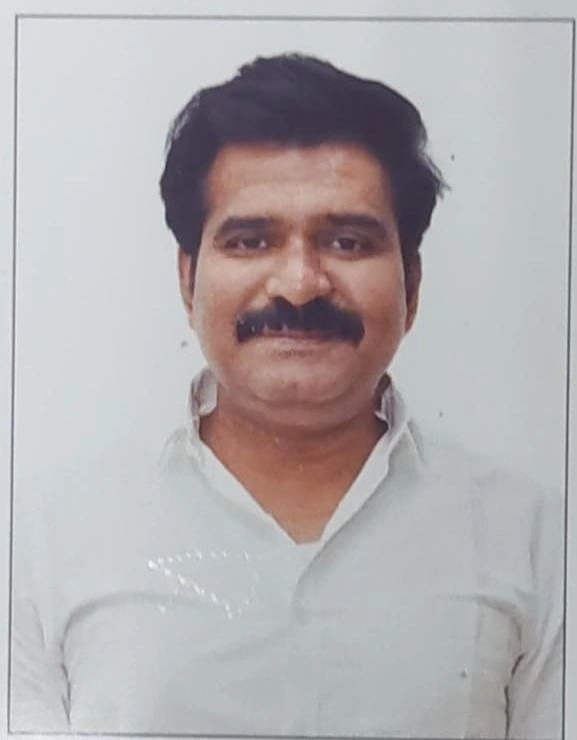
Energy & Law, Courts, Prisons
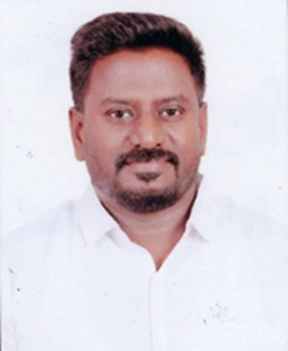
School Education, Tamil Development & Information
Minerals & Mines
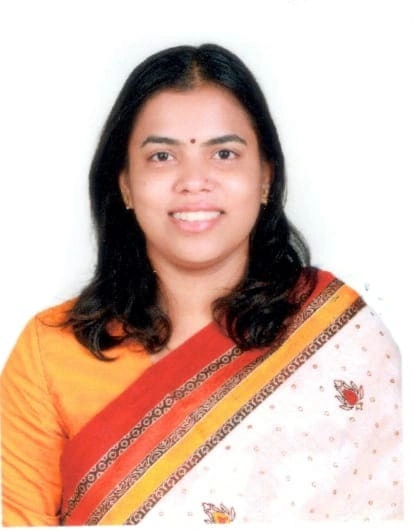
Industries & Investment Promotion
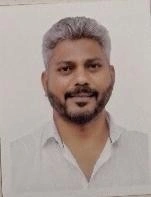
Finance, Planning & Development
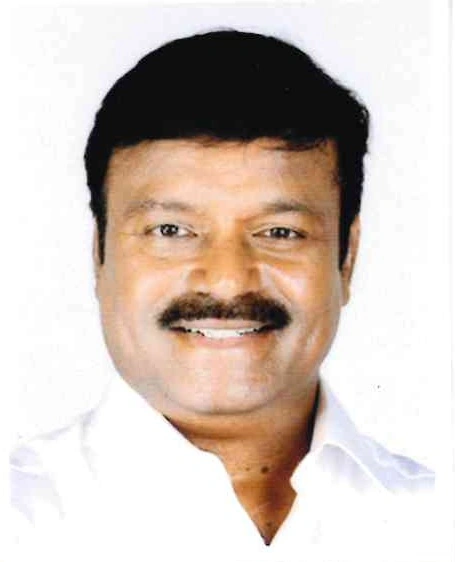
Artificial Intelligence & Information Technology
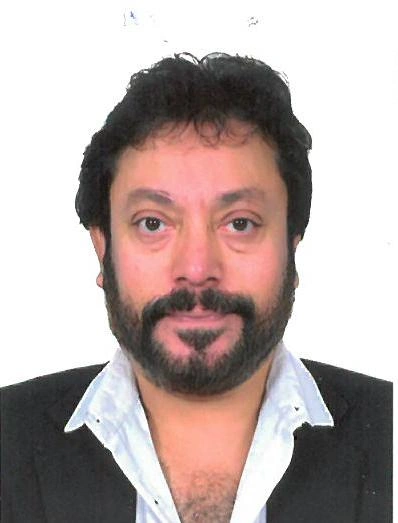
Fisheries & Fishermen Welfare
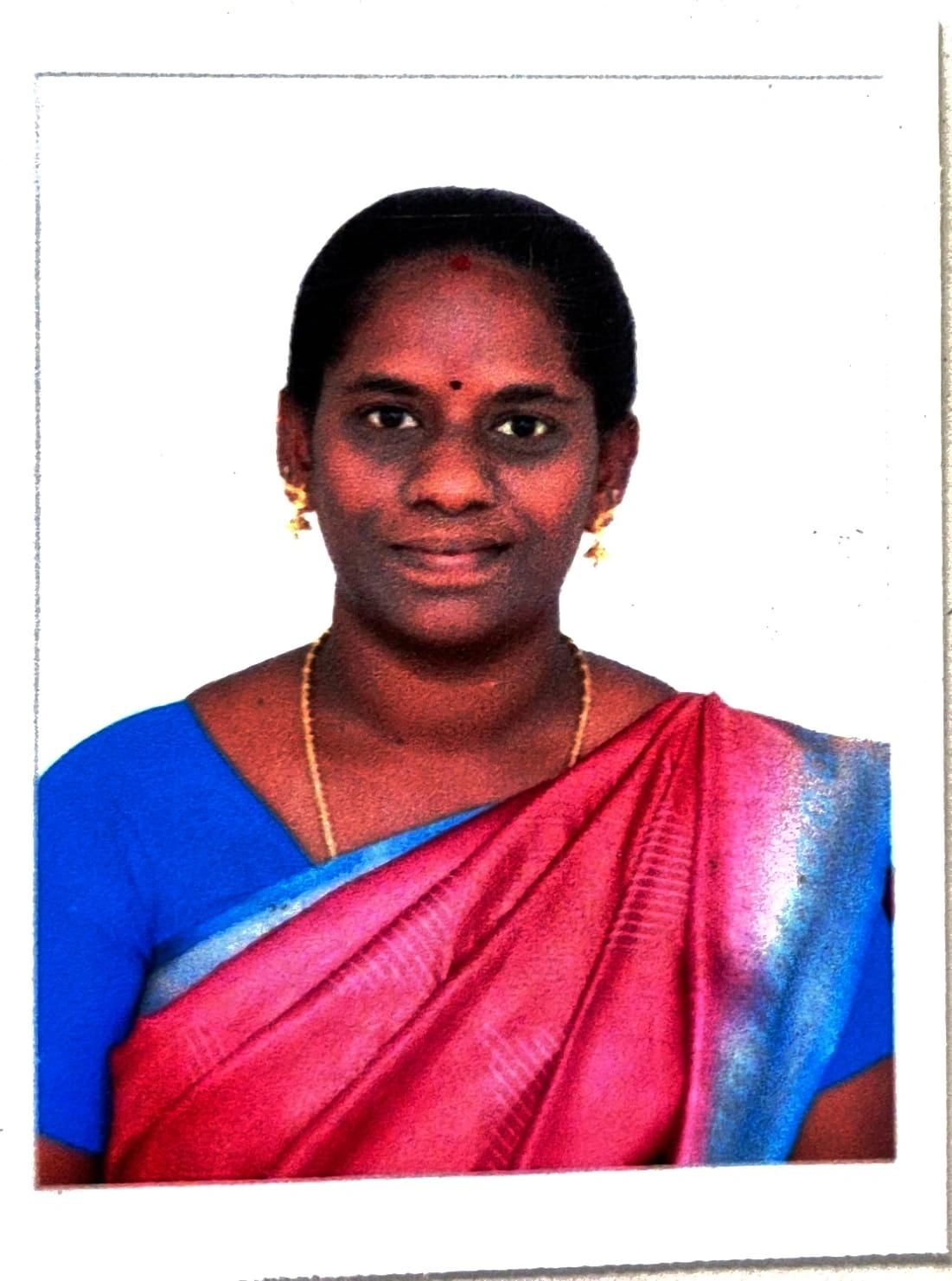
Animal Husbandry
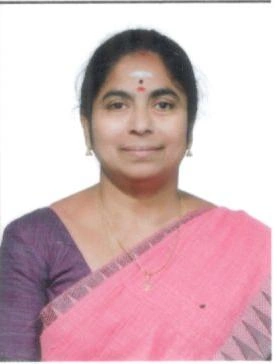
Dairy Development
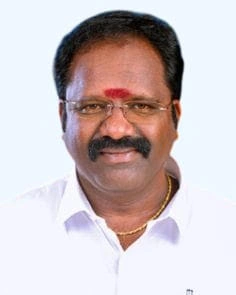
Forests
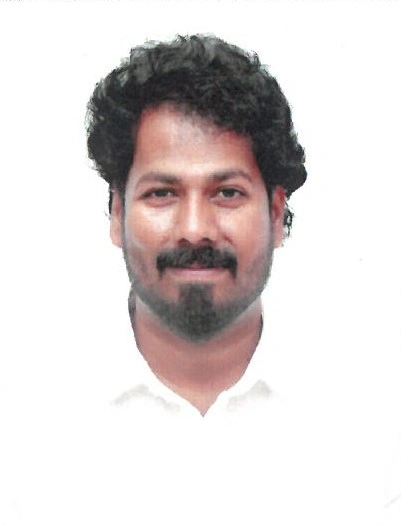
Agriculture & Farmers Welfare
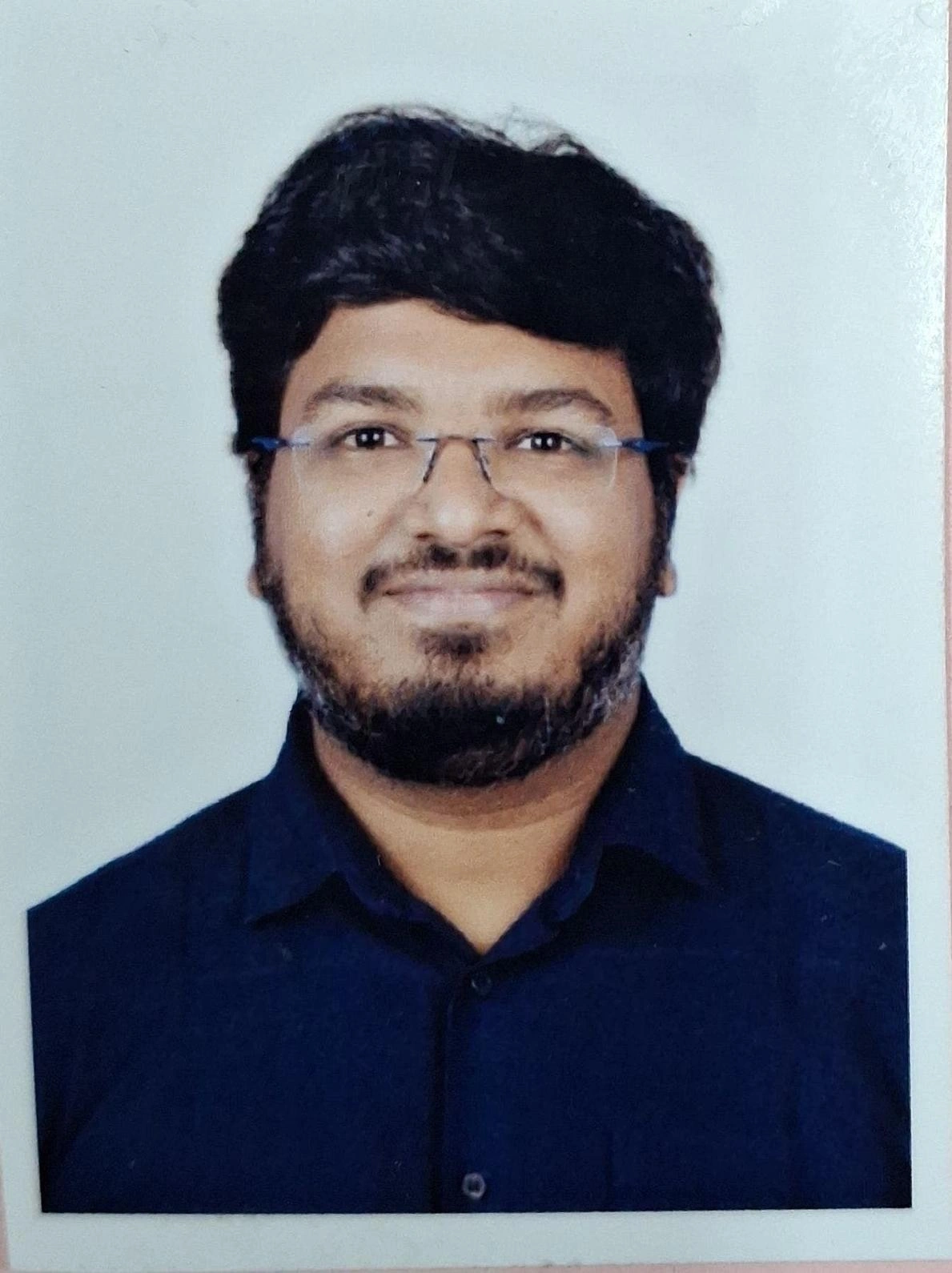
Environment & Climate Change
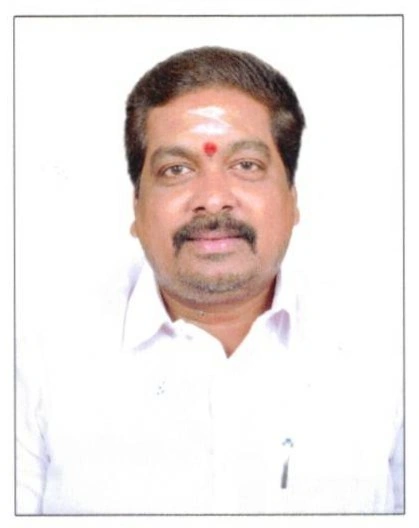
Housing & Urban Development
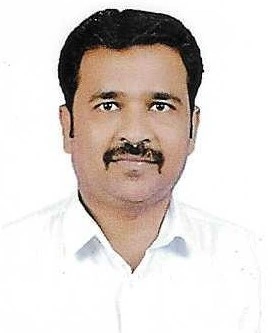
Micro, Small & Medium Enterprises (MSME)
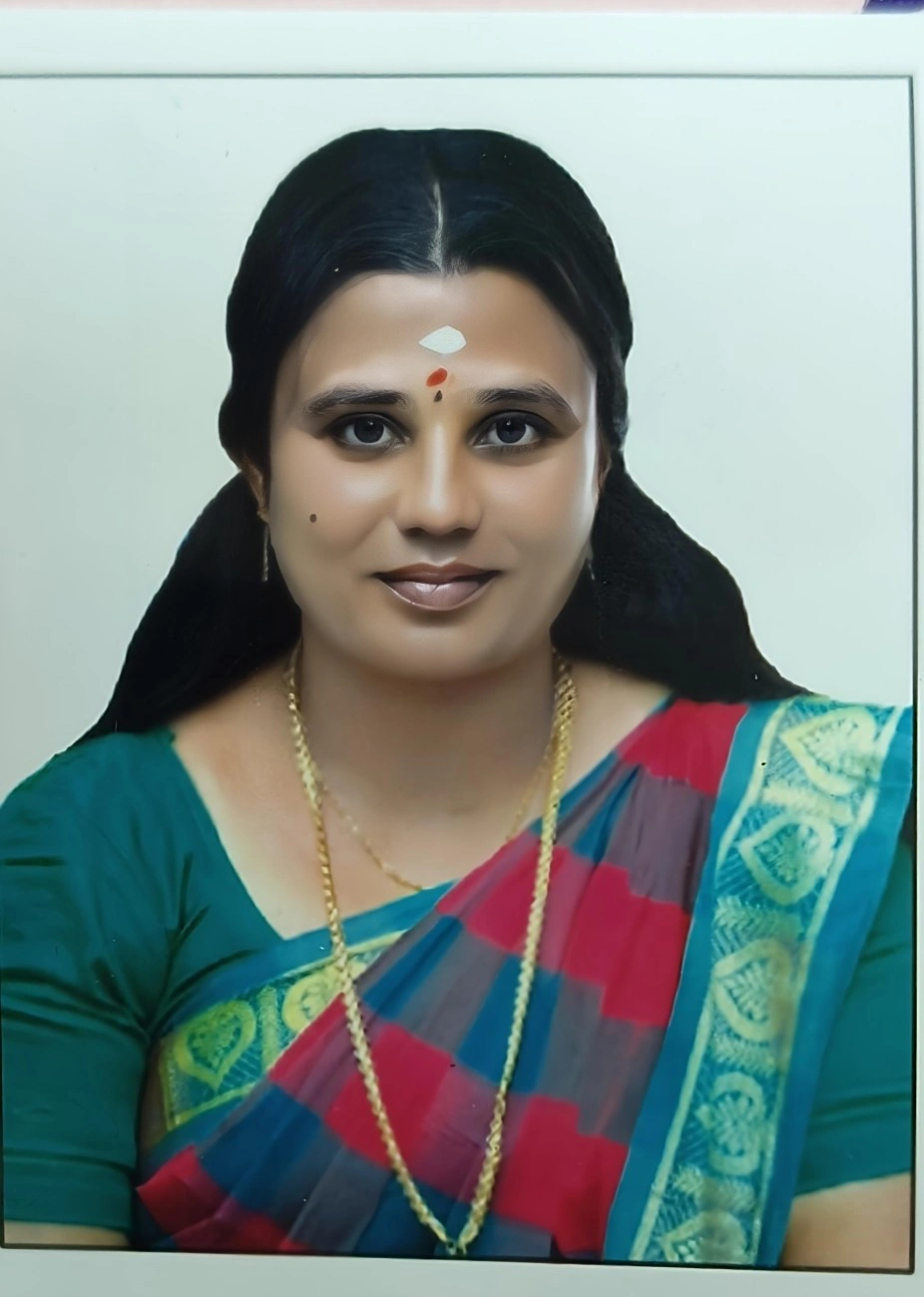
Social Welfare & Women Empowerment
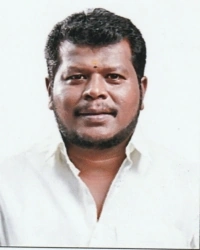
Handlooms, Textiles & Khadi
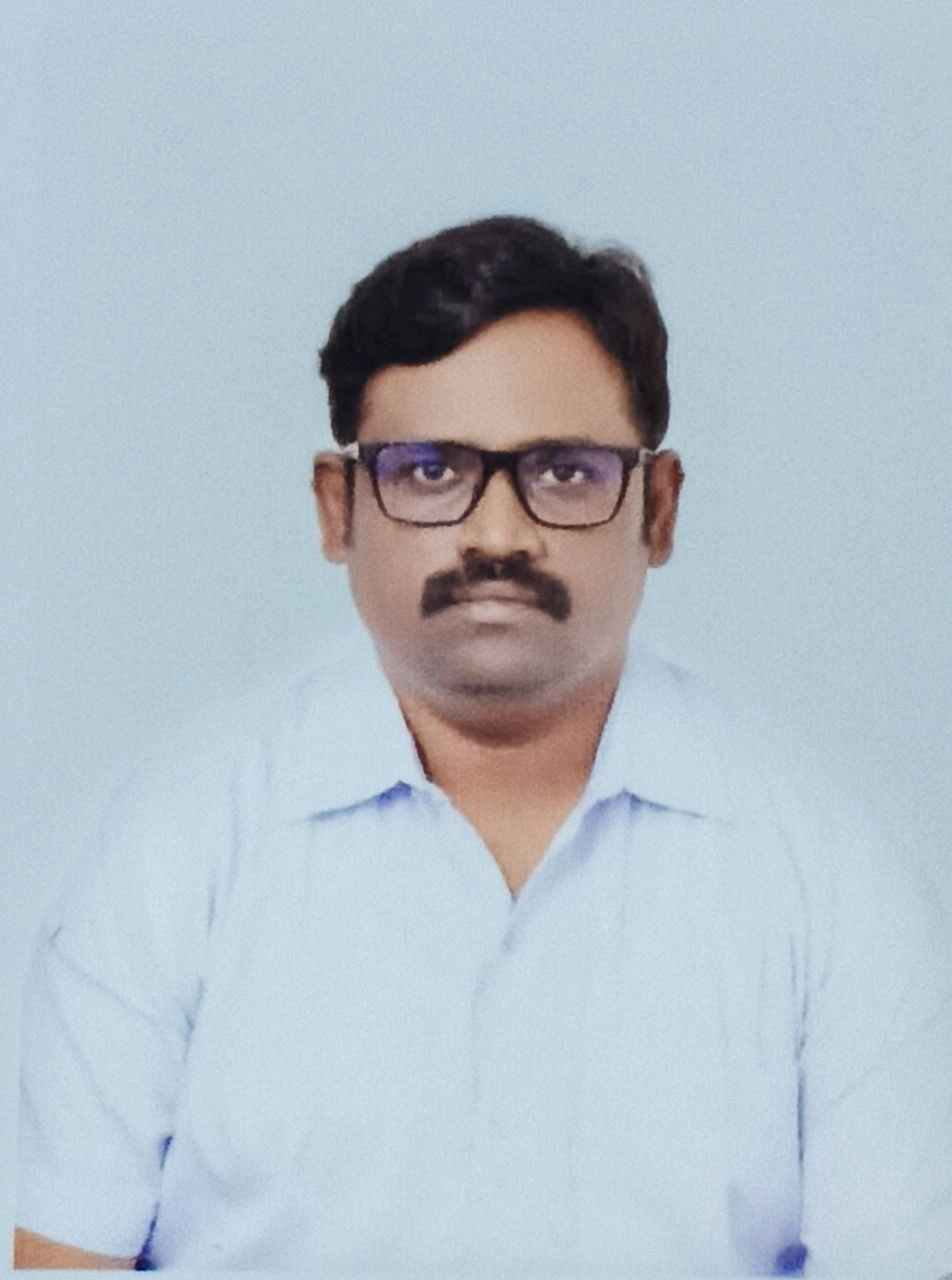
Commercial Taxes & Registration
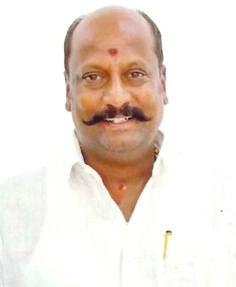
Transport
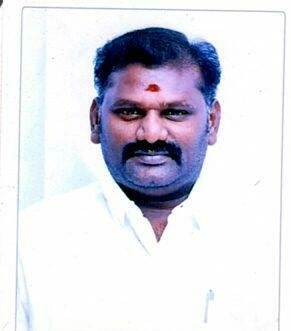
Welfare of Non-Resident Tamils
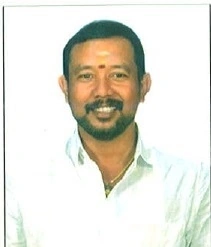
Backward Classes Welfare

Labour Welfare & Skill Development
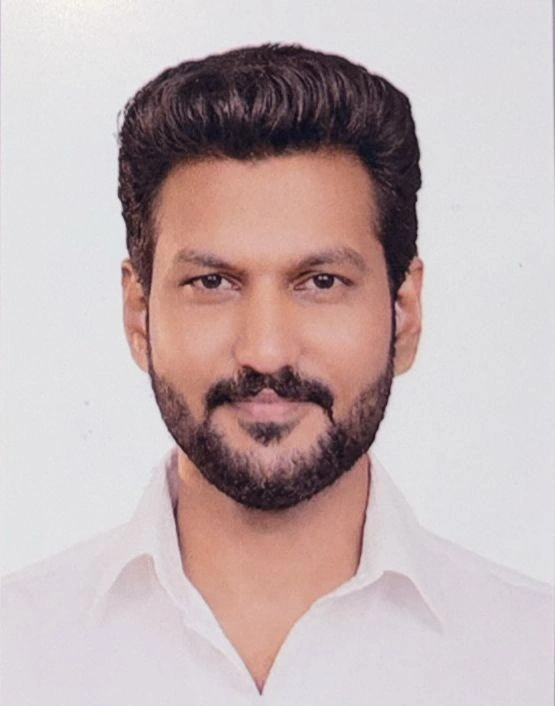
Human Resources Management
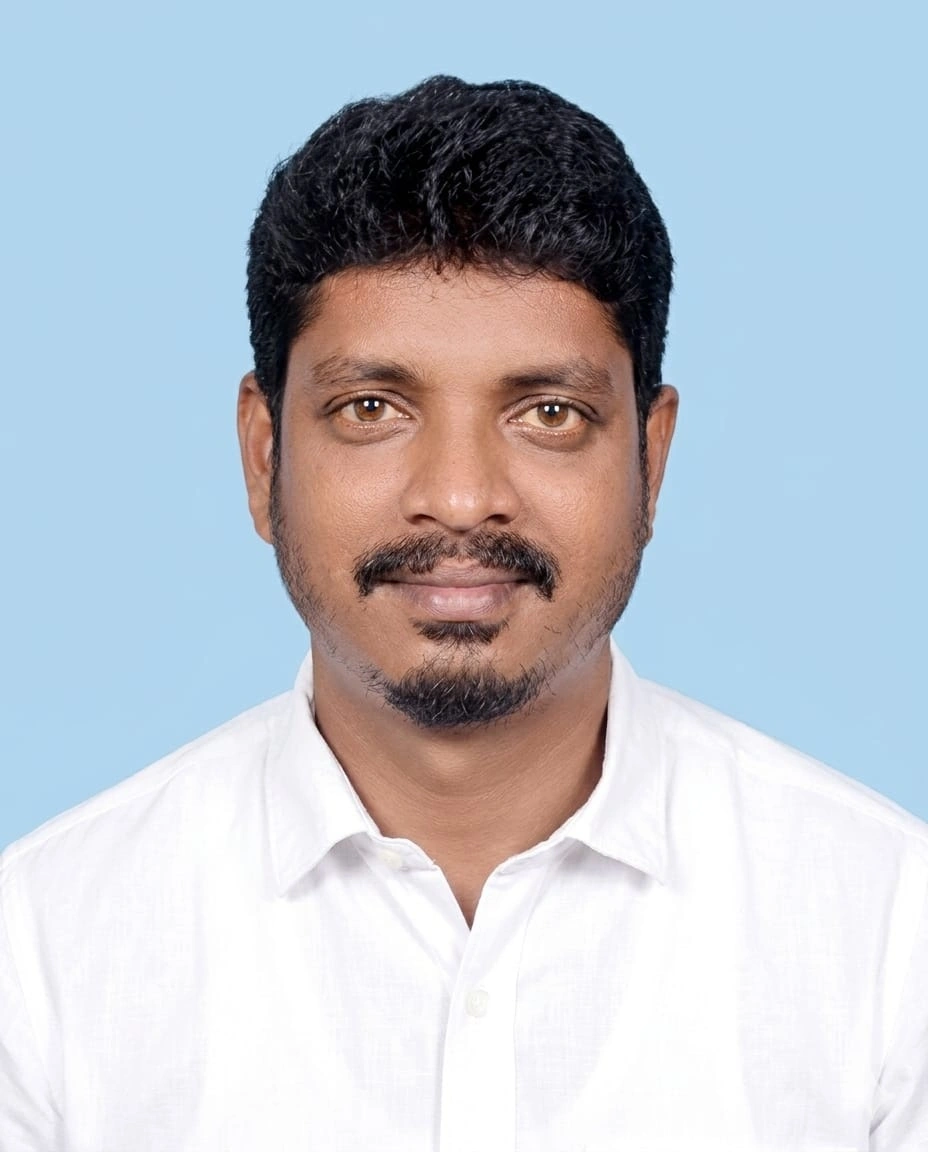
Prohibition & Excise
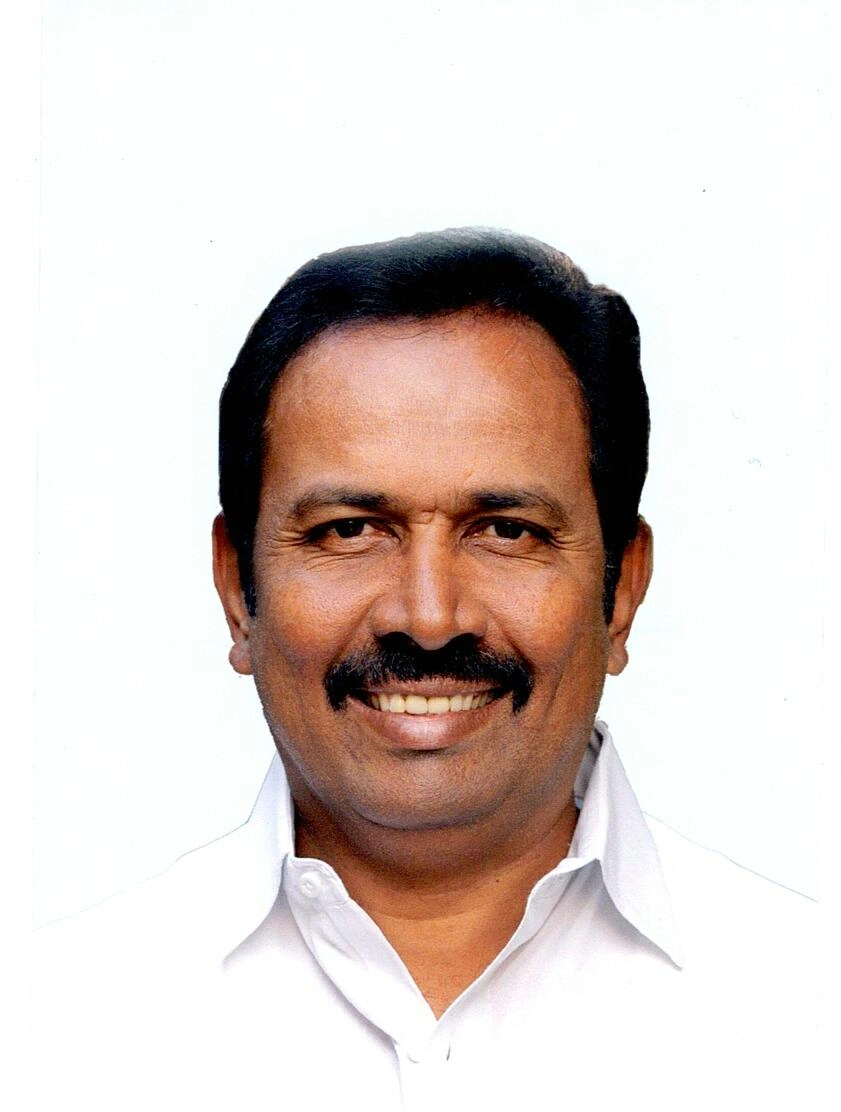
Tourism
Higher Education
Social Justice
Minorities Welfare
Hindu Religious & Charitable Endowments (HR&CE)
Reading the full council: clusters that matter
Beyond the headline names, the cabinet clusters into delivery systems citizens interact with daily.
Welfare and distribution — Venkataramanan (PDS), Jegatheeswari, Sampathkumar, Vanni Arasu, Shahjahan, Thennarasu — covers the ration shops, pensions and social-justice files voters expect regardless of party.
Growth and jobs — Keerthana (Industries/SIPCOT), Madhan Raja (MSME), R. Kumar (AI/Arivagam/SPEED), Prabhu (Mines), Parvaaz (Skills) — must translate investment announcements into employment.
Physical infrastructure — Arjuna (Public Works), Anand (Irrigation/desilting), Rajkumar (Housing), Parthiban (Transport/1,000 e-buses) — owns the construction and commute files.
Regulation and revenue — Nirmalkumar (Energy/Law/Parandur posture), Lokesh Tamilselvan (Commercial Taxes), Vignesh, Rajeev (Environment).
Social sectors — Arunraj (Health), Rajmohan and Viswanathan (Education), Kamali, Vijayalakshmi, Vinoth, Srinath (Agriculture/rural/coastal economy).
Congress 1967 to 2026: what changes with the party back in ministry
Congress’s return after 1967 is not merely historical symmetry. It signals that national-party alliances can again be structurally rewarded in Tamil Nadu, weakening the DMK and AIADMK argument that only a Dravidian major can protect state interests. Viswanathan’s Higher Education berth and the second Congress minister’s allocation (within the 30+3 structure) give the party stage presence in a state where it has struggled to recover Assembly seats.
For TVK, Congress support stabilises the 234-member Assembly arithmetic. For Congress, ministerial power offers revival optics even if state-level recovery remains a long road.
The AI ministry: policy ambition meets fiscal reality
Tamil Nadu’s Artificial Intelligence and IT department under R. Kumar consolidates SPEED, smart-city fragments, startup policies and the Arivagam feasibility under one minister accountable to the Assembly — the second cabinet-level AI portfolio in India after Kerala. The constraint is fiscal: ₹5 crore for Arivagam feasibility reminds that study-mode portfolios must deliver roadmaps before requesting land and thousands of crores. Kumar’s first-year test is proving AI policy improves citizen-facing services, not only tech-sector press releases.
HR&CE under Ramesh: devotion, revenue and reform
S. Ramesh inherited HR&CE at a moment of heightened public scrutiny of temple administration nationwide. Srirangam voters sent a former temple inspector to the Assembly; Vijay sent him to the department that manages tens of thousands of temples, their lands, leases and ritual schedules. Ramesh’s early unannounced inspections positioned HR&CE as a reform portfolio — his credibility depends on whether those visits convert into audited accounts and reduced leakage, not only show-cause notices.
Notes
- Total strength: Chief Minister + 33 ministers (TVK 30, INC 2, VCK 1, IUML 1) — Tamil Nadu’s first coalition cabinet in nearly five decades. Portfolios shown reflect the May 2026 allocation.
- AI department: Tamil Nadu becomes the second state in India (after Kerala) to create a dedicated cabinet-level Artificial Intelligence portfolio.
- Coalition first: Congress returns to the Tamil Nadu cabinet for the first time since 1967, while VCK and IUML take their own berths; CPI and CPI(M) back the government without joining it.
- Name spellings vary across official releases and press reports (Marie Wilson / Maria Wilson; Mohamed Parvaaz / Mohamed Farvas; Jegatheeswari / Jegadeshwari; Madhan Raja / Mathanraja). Constituency cards use the name as it appears in the official result.
How to use this page — and what to watch next
Each MinisterCard above links to the booth-level result for that minister’s constituency — margin, turnout, and the map that explains why Fort St. George looks the way it does in 2026. Tap a card before reading opinion about any minister; the electoral math is the mandate’s floor.
Three dynamics will stress-test this cabinet before the next election cycle:
- Coalition cohesion — whether Congress, VCK and IUML feel adequately credited in Budget speeches and scheme launches.
- Delivery vs. debt — whether Wilson’s Finance desk can fund Sengottaiyan’s disaster preparedness and Kumar’s digital ambitions without defaulting on welfare continuity.
- CM concentration — whether Vijay’s Home-and-Municipal portfolio creates a bottleneck in Chennai flood season when ward-level decisions need speed.
For the political arc behind these faces, see what has changed since the 2026 election, the first 100 days, and the 2026 Budget explainer. For individual minister profiles, follow the linked deep-dives on Wilson, Sengottaiyan, Kumar, and Ramesh.
This is Tamil Nadu’s first coalition cabinet in nearly five decades. The cards above are the roster; the rains, Budget and Assembly session will write the report card.